A Mary Poppins Effect

Dear Reader, 

This blog post is going to be slightly more personal than usual as I want to share with you one of the many Mary Poppins effects in my personal life. These, for me magical, effects are incontestably transformative and have greatly enriched my inner life and personal happiness. That said, I am not suggesting that all personal challenges have vanished, but my ability to sustain and show resilience comes directly from these various effects.   

First and foremost, reconnecting with my childhood reading of “Mary Poppins” reminded me of my deep love for magic and fairy tales. It also made me realize that my daily life had, sadly, become quite dull and ordinary. It’s not that I wasn’t surrounded by people and events—my life was filled with all the things that keep us busy and distracted. Of course, my family is a great source of love and support, and I am forever grateful to them, but there was an emptiness within me that couldn’t be filled by anyone, no matter how loving they were. It just dawned on me (and perhaps this realization had been building up inside of me for some time) that I felt constrained. Faced with this moment of recognition I had to acknowledge the need for more joy and wonder in my life.  

But where to find them? 

I decided to go search for them in the places where I had found them as a child. The day had come when I was finally old enough to start reading fairy tales again, to paraphrase a quote by C.S. Lewis. I felt goosebumps when I first read this quote by C.S. Lewis because the truth of his words resonated so deeply with my own experience.  

Then, organically, one thing led to another, and I found myself collecting old books of fairy tales and fantastical adventures, something that I would never have thought I would be doing a few years ago, as it was so remote from the spheres in which I operated.

The moments I spend reading fairy tales and fantasy novels, or treasure hunting for old books, are pure bliss—a breath of fresh air in my daily life. It’s not just an escape from the ordinary; these activities also allow me to see the world in a new light. Looking at my bookshelves fills me not only with joy but with a sense of groundedness—a feeling of coming home. And I owe it all to P.L. Travers and her Mary Poppins

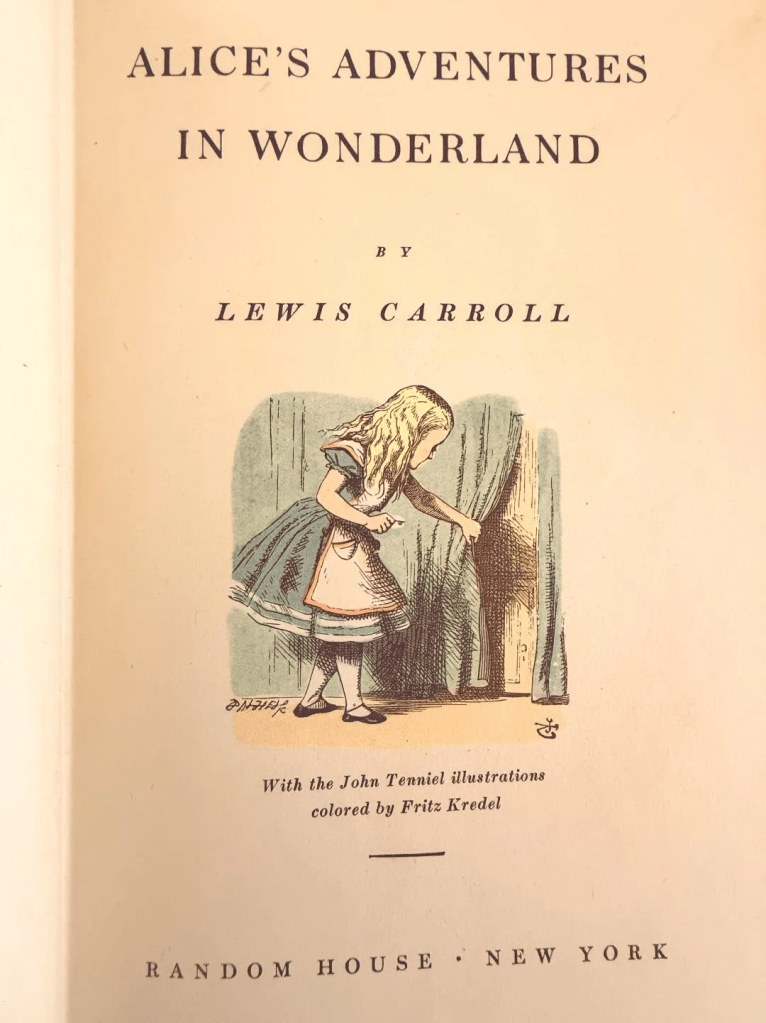
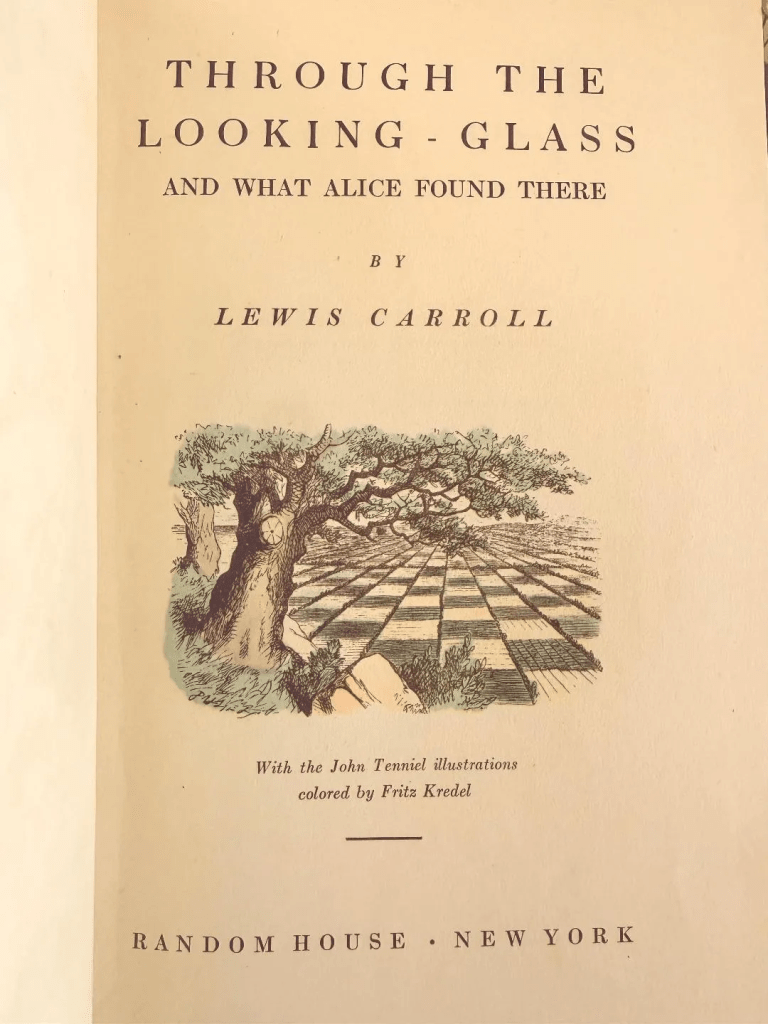
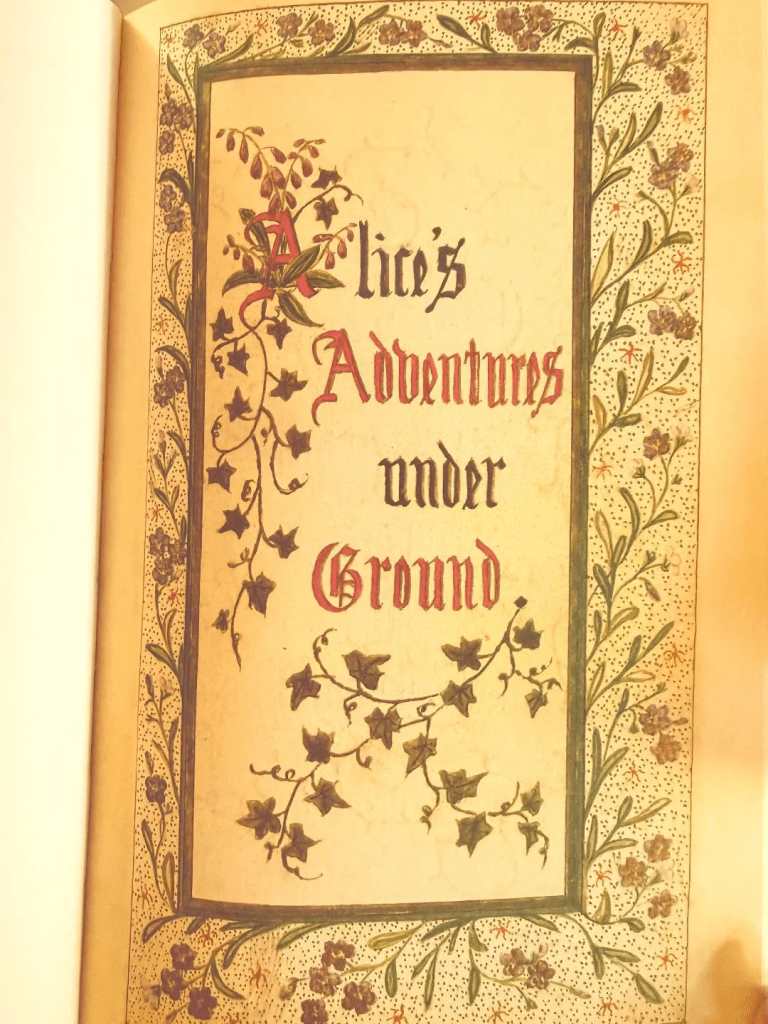
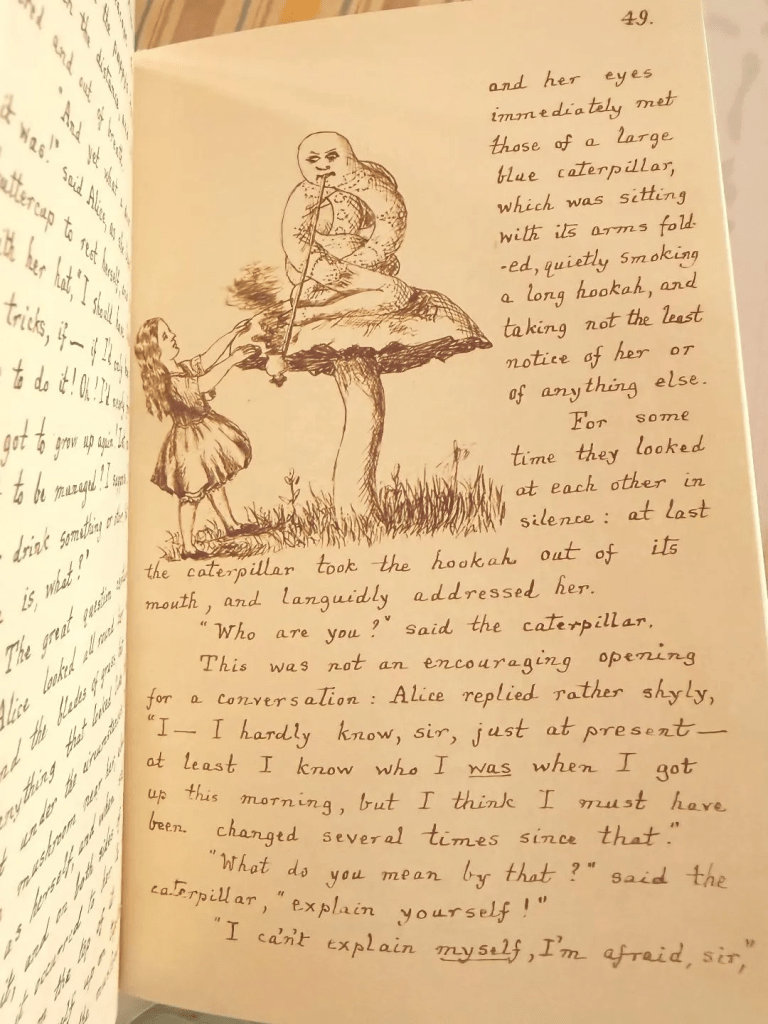
Here, I’m sharing some pictures of the books in my modest collection, which I hope will expand over time. 

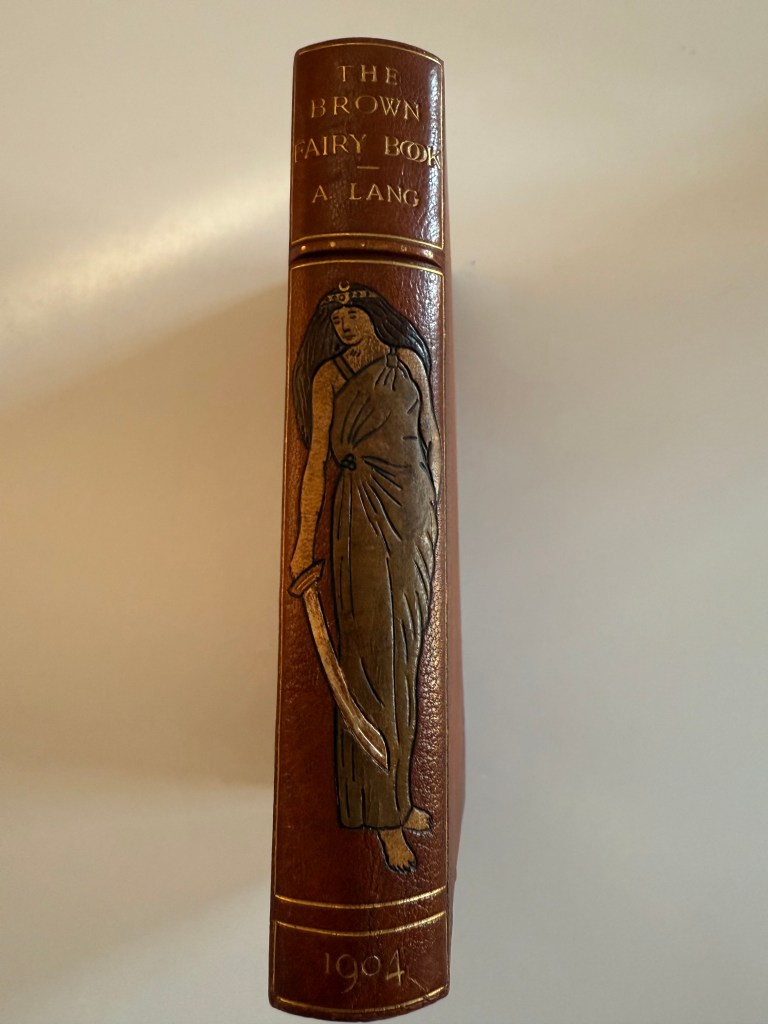
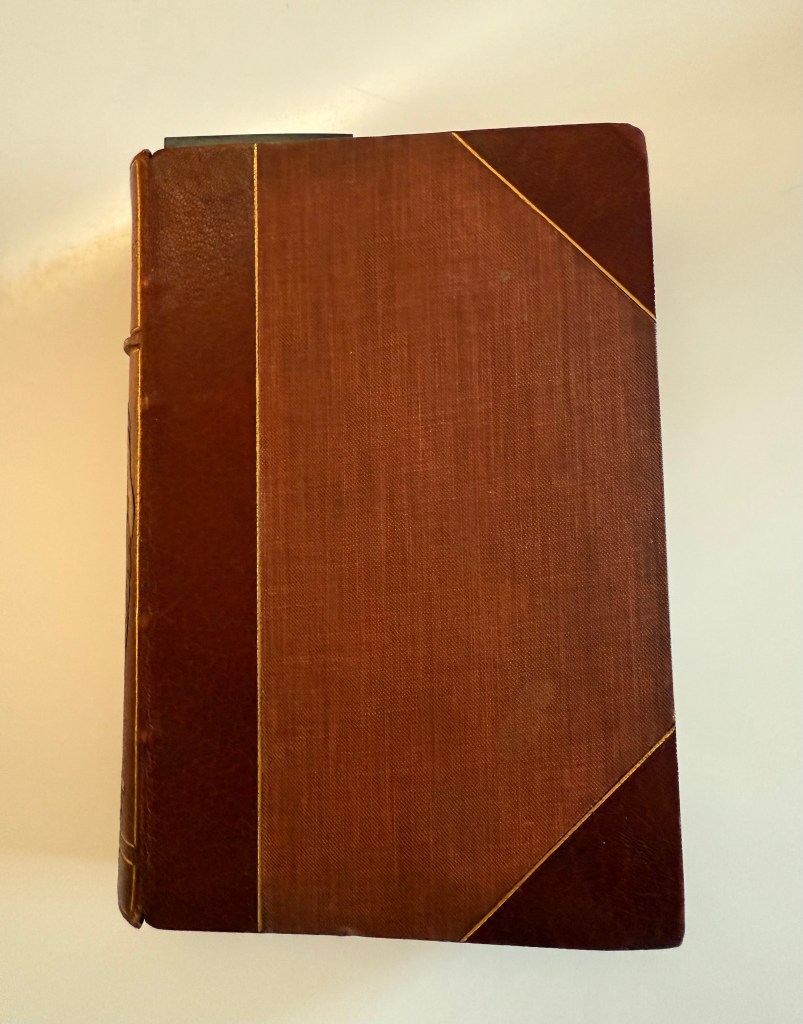
The Brown Fairy Book by Andrew Lang. Illustration below is by H.J. Ford.

Below is a picture of the cover of Princes and Princesses by Andrew Lang.

Illustration below by H.J. Ford.

Below is the cover of Myths & Legends of Japan by F. Hadland Davis.

Illustration below by Evelyn Paul.

While reading interviews given by P.L. Travers, I discovered that our childhood readings intersected, despite our cultural and generational differences. We both read Beatrix Potter, the Brothers Grimm, and Andersen’s fairy tales, to name a few, only I read them translated in Bulgarian. This realization brought back memories of the fairy tales from my own childhood, with their beautiful illustrations, and I felt a deep grief for having left behind the most cherished treasure of all—my books.  

My initial response to counter this grief was to dismiss it as childish. I told myself I had to accept certain losses in life. On a practical level, I also thought it unrealistic to expect I could find copies of these books now that I live so far from my birthplace. But was I being childish? Was this a loss that needed to be accepted, or was it the kind of loss that could be retrieved? P.L. Travers herself pondered the theme of loss often, and in her later years, she would say that all that is lost is somewhere. 

I decided to give it a try, and with the help of the internet, I’m happy to report that, after a couple of years, I was able to reconstruct most of my childhood fairy tale book collection. I successfully found old copies of the editions I had as a child, as well as some new reprints of those same editions. 

These were the books my mother read to me at bedtime and the ones I learned to read with, before I got acquainted with Mary Poppins.

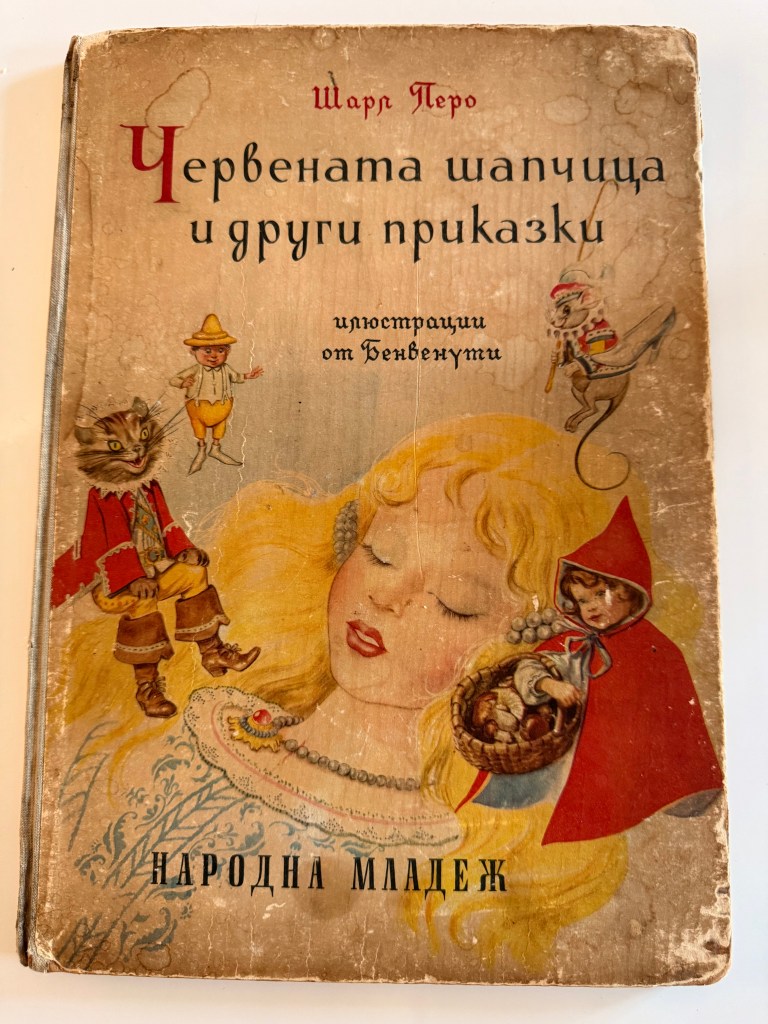
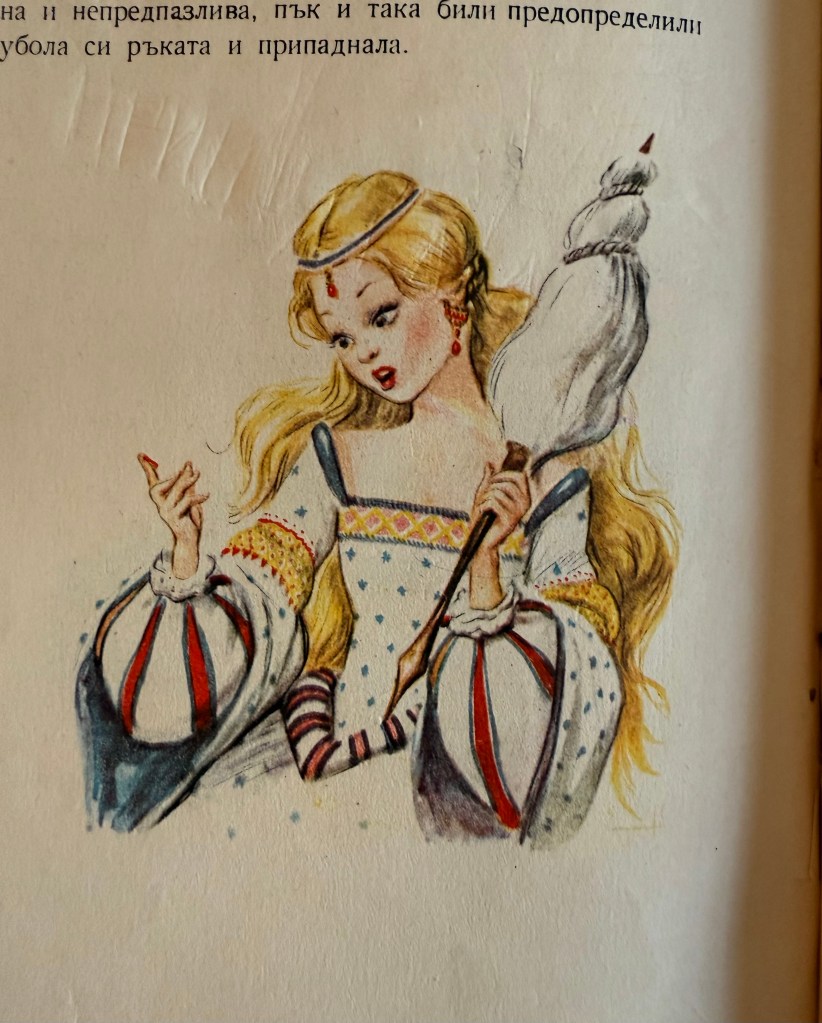
Below are pictures of the illustrations in my copy of Sleeping Beauty. The illustrator is Italian artist Gianni Benvenuti. This was P.L. Travers’s favourite fairy tale. She even wrote her own retelling of it and I wrote two blog posts about it back in 2017; you can read one of them here, and if you’re interested, the other is easily found on the website of this blog. 

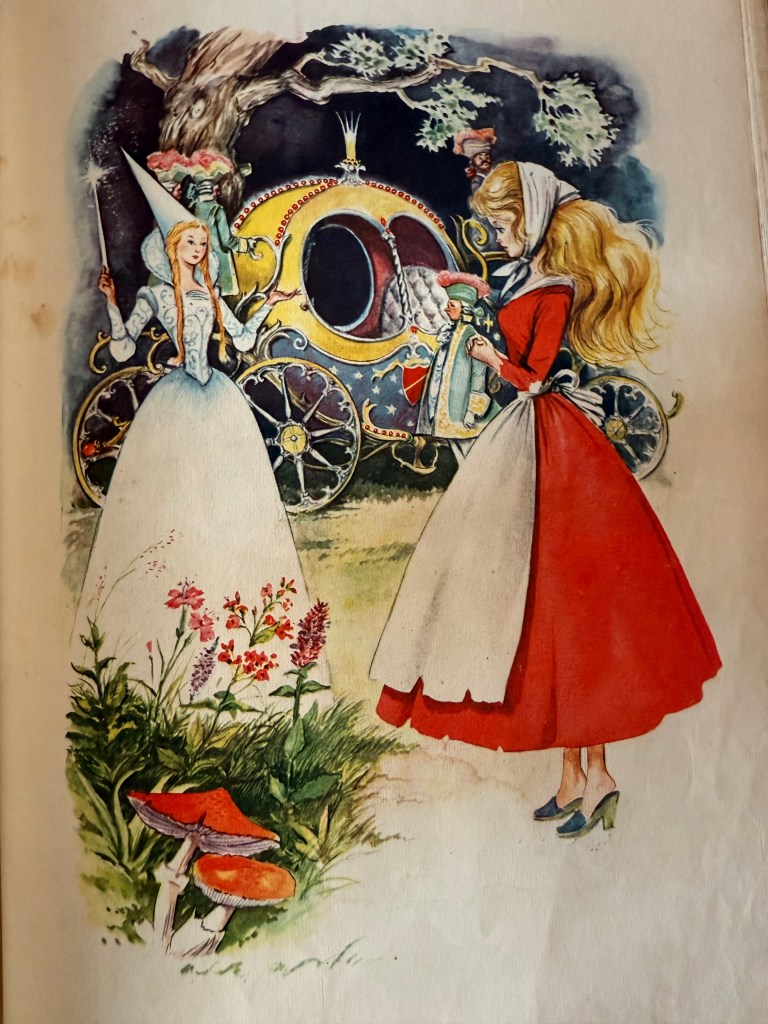
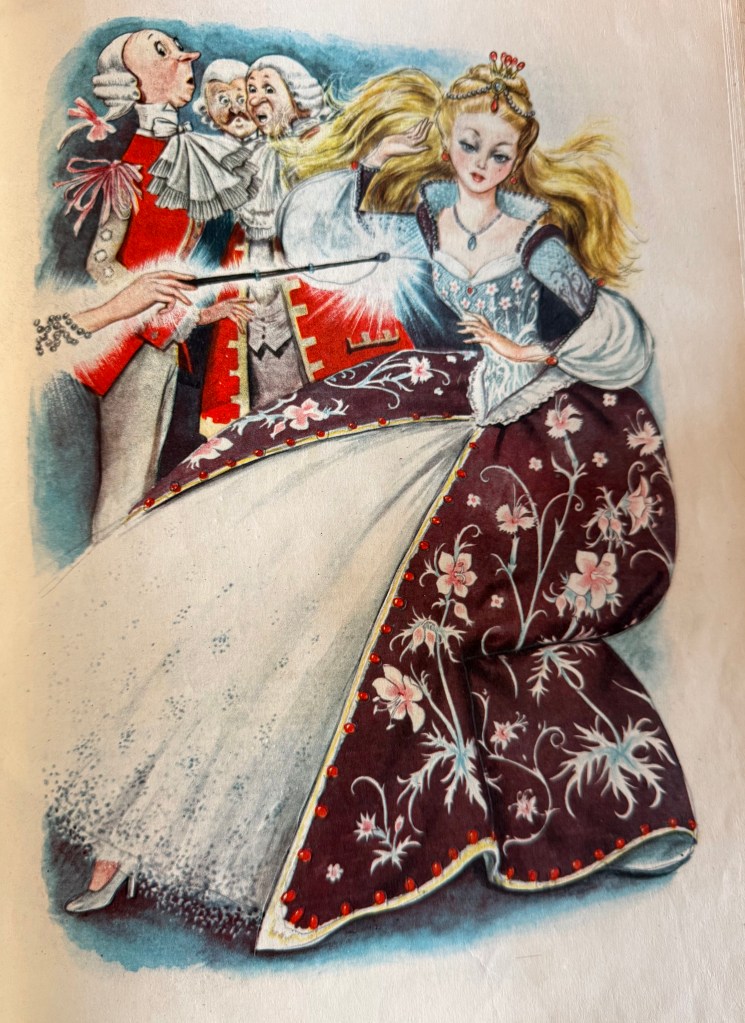
Cinderella was my personal favourite fairy tale as a child, followed closely by Snow White, mostly because Snow White had dark hair like mine. The illustrations below are also by Benvenuti.

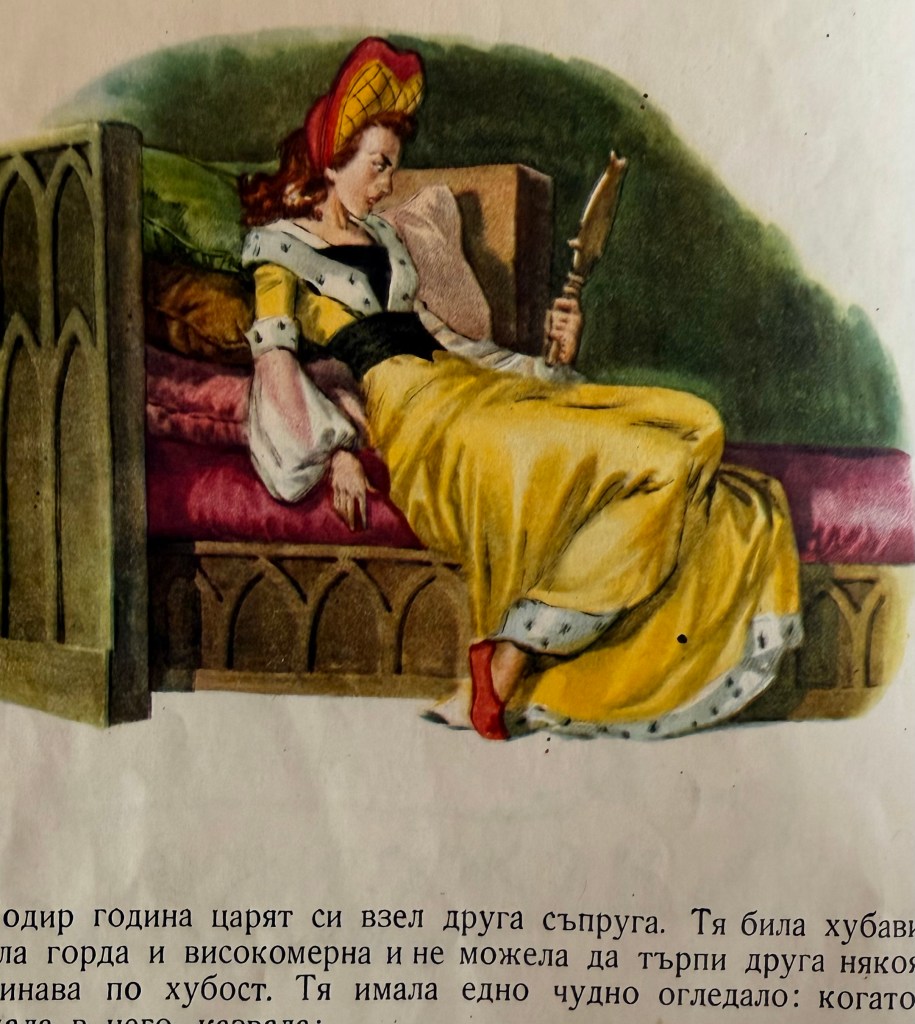
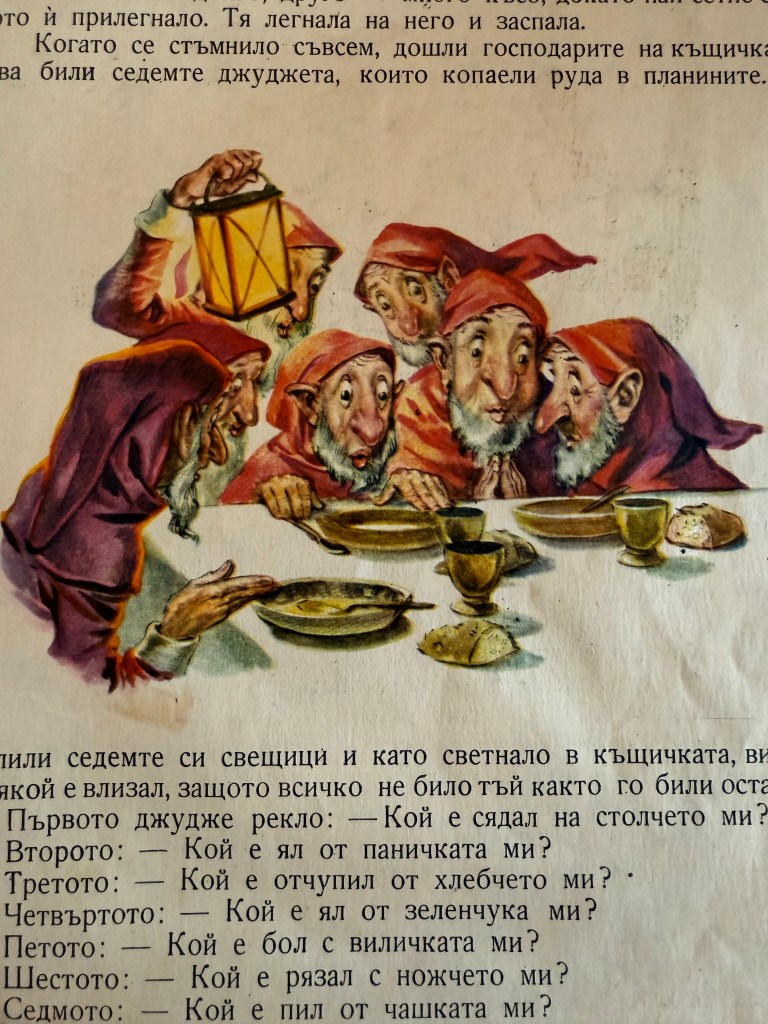
The illustrations of Snow White below are by Sandro Nardini.

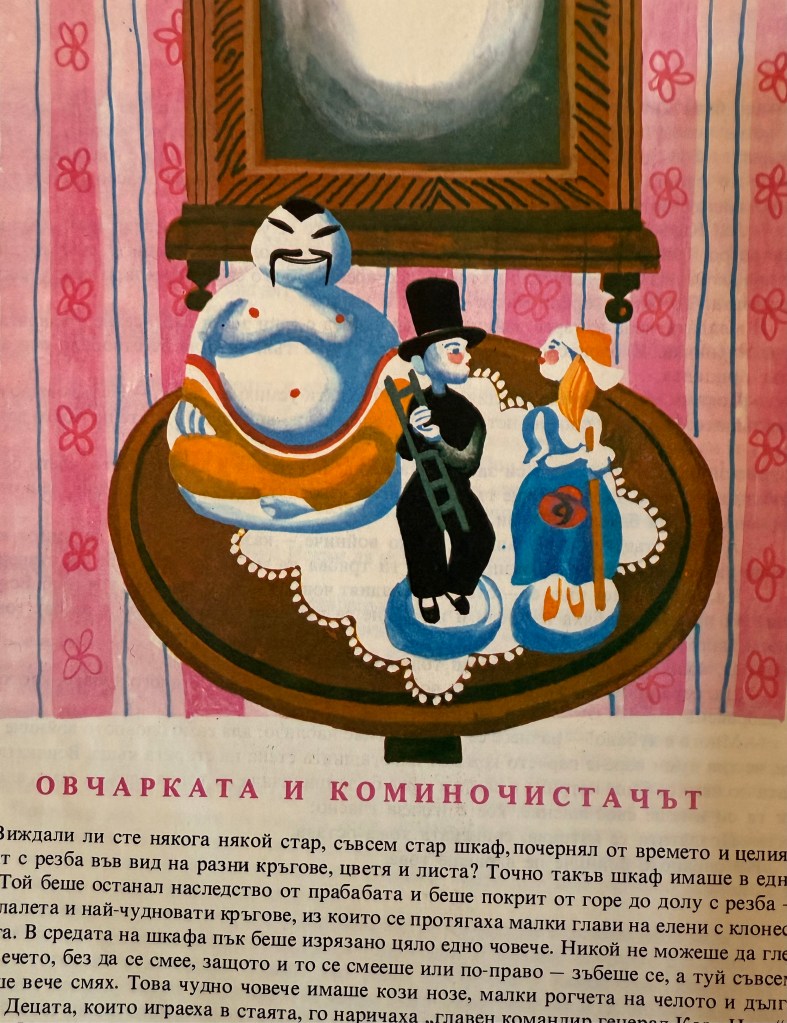
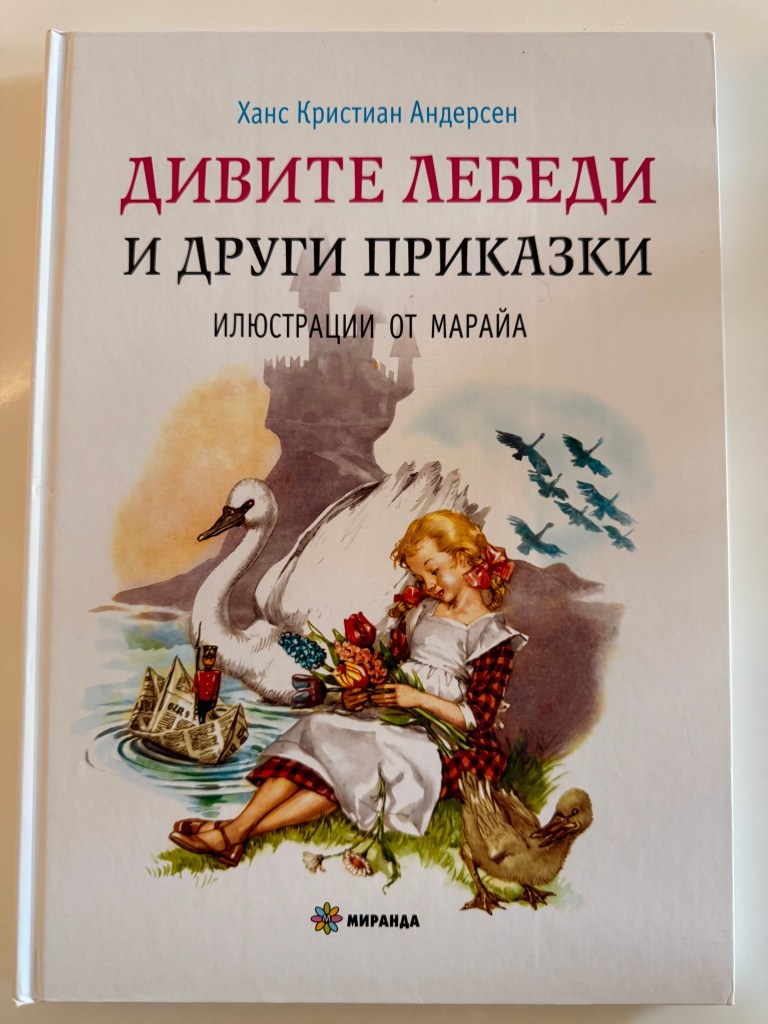
And these are my two books of Andersen’s fairy tales. One is quite tattered, and the illustrations aren’t as beautiful as in the other, but I still enjoyed the stories. P.L. Travers loved Andersen’s fairy tales as a child, but as an adult, she had a different view. She believed Andersen undermined the vitality of his stories through his constant appeal for pity. It’s an interesting perspective, but one I don’t share. 

The illustrations above are by Lyuben Zidarov. And the illustrations below are by Libico Maraja.

Here is now Peter Rabbit by Beatrix Potter. I must have been around three years old when my mother read Beatrix Potter’s stories to me, and I remember the illustrations captivated me with such magnetic force. I wish I had P.L. Travers’s lyrical talent to describe the experience. It’s hard to put emotional states and impressions into words, but it truly felt as if I was part of the picture. It’s a strange feeling to remember the state yet not be able to recreate the experience. I still enjoy the illustrations, but our perceptions do grow duller as we age. 

P.L. Travers adored Beatrix Potter and wrote a review of The Tale of Beatrix Potter by Margaret Lane. I wrote a blog post about it some time ago, you can read it here

This is all for now. I’ll share more of my childhood book collection in a future post. In the meantime, take care, and I hope you’ll return to read more about Mary Poppins, P.L. Travers, and my adventures as I continue to explore their world.

A Mary Poppins Story for Coloring 

Dear Reader,  

When I first read Mary Poppins and Mary Poppins Comes Back (which were printed in one volume) as a child, I was not able to enjoy the original illustrations by Mary Shepard, as they were not included in the Bulgarian translation published in 1980. Instead, they were replaced by illustrations by Lyuben Dimanov

I don’t think I liked Dimanov’s illustrations as a child because I have no memory of them, and I do remember a lot of the illustrations from my childhood books. All I remember is that the book was very thick, and it felt like proof that I was really good at reading.   It was only a couple of years ago when I retrieved an old copy of my childhood edition of Mary Poppins that I realized the original illustrations were not in it. 

Now that I am acquainted with the original illustrations, I find it difficult to enjoy Dimanov’s interpretations of the characters. For one, I find the figures a bit too angular, and their proportions too exaggerated. Moreover, in my opinion, he took his artistic liberties to the extreme. In fact, one has to wonder if he even read the stories, or how he could portray Mary Poppins with long, curly, flowing hair like a lion’s mane. 

I’m certain P.L. Travers would have been upset if she had seen these illustrations—or maybe she did. I wish I could show them to her and ask her opinion. What we do know is that she was very particular about how Mary Poppins was depicted and insisted on her being represented exactly as she had imagined her. 

In fact, P.L. Travers was so particular about the character, and Mary Shepard was such an inexperienced artist at the start of the project, that the emergence of Mary Poppins in visual form was not without its growing pains.

P.L. Travers wanted Mary Poppins to be plain, yet graceful, and to help the young visual artist grasp her vision of the character, they took many walks in the park to observe nannies pushing prams. Yet despite Shepard’s heartfelt efforts, P.L. Travers was not satisfied with the sketches and it wasn’t until she found a wooden doll with bright black hair, bright blue eyes, and a turned-up nose, and showed it to Shepard, that Mary Poppins finally took shape. 

The working relationship between P.L. Travers and Mary Shepard spanned over 50 years, during which Shepard illustrated all the Mary Poppins books, including the Latin translation of Mary Poppins, a children’s cookbook, an alphabet book, and a coloring book published in 1969. I had been searching online for this coloring book for a long time, and then, one day, I was fortunate enough to find an unused copy on Facebook Marketplace of all places.  


Oh, the joy of finding it and coloring the illustrations! Of course, I kept the original coloring book pristine and worked on photocopied pages, in case anyone is curious. I want to keep it as a collectible, but I also love the idea of having the chance to color the illustrations again whenever the mood strikes. The time I spent coloring reminded me of how much I loved it as a child. It also reminded me of my struggles of not crossing over the lines—though, as it turns out, I still struggle with that! But perfection isn’t the point. The point is enjoyment and playfulness at any age! 

While coloring the pictures, I suddenly noticed something interesting in one of the illustrations that struck me as quite indicative of the nature of the relationship between Mary Shepard and P.L. Travers. Reportedly their relationship was a difficult one, P.L. Travers being portrayed as domineering and Mary Shepard as an underestimated, self-effacing artist. I believe that a glimpse of their relationship dynamic is reflected in one of the illustrations in the story “Balloons and Balloons”. This story first appears in the second book Mary Poppins Comes Back first published in 1935. Below is a picture of the illustration from the book. 

The picture shows several of the Mary Poppins characters holding balloons with their names on them, floating through the air, with Mary Poppins as the central figure holding the largest balloon. But if you look up closely you will notice the two intruders in this picture.  In the bottom left corner, you can see P.L. Travers and Mary Shepard joining the party. According to P.L. Travers, as she once told an interviewer, it was Mary Shepard’s idea to include them both in the illustration. (Personally, I think this was a genius idea.)  

Notice how, in this picture, the two women are facing each other. Mary Shepard’s figure is slightly smaller, and her body curves in a way that seems to mold to the shape of P.L. Travers’ figure.  Now, look at the picture below from the 1969 coloring book, keeping in mind that at the time, Shepard was bitter about not receiving any money from Disney for the movie adaptation of the character. 

The figures are notably different in size and body language. P.L. Travers is larger and holds a bigger balloon. Her body flows gracefully through the air, with the string of her balloon twirling as she holds it effortlessly, without any strain. On the other hand, Mary Shepard, much smaller, is holding onto a short, tight string and appears tense, as if hanging on for dear life. Not only that, but she has her back turned to P.L. Travers. 

I wonder if P.L. Travers noticed these changes in their positioning in the illustration, or if this detail completely escaped her, or if she would have even cared about it. I haven’t had the chance to delve deeper into their relationship, so I’m relying on what others have written about the subject and while I’m aware that I’m speculating on the comparative interpretation of these two illustrations, it was, nevertheless,  a fun insight to gain from my interaction with A Mary Poppins Story for Coloring.  

As for P.L. Travers’s view that ‘what counts most is the text, not the picture,’ I both agree and disagree with her. It all depends on the angle from which you look at the question. Of course, there would be no picture of Mary Poppins without the story, but for children, the illustrations are almost as important as the text. 

Perhaps it’s because P.L. Travers never intended the books to be read solely by children that she prioritized the text. Or, maybe it was because she was human and fallible, and possessive of Mary Poppins. After all, she once told an interviewer that a fictional character is like a child to an author. One thing is certain: despite their differences, both P.L. Travers and Mary Shepard must have both gained something positive from their collaboration. Otherwise, why continue for fifty years? 

I hope you enjoyed reading this blog post and that you’ll subscribe to my blog, so you don’t miss the next installment. While I can’t commit to a regular posting schedule, one thing I can promise is that I’ll continue writing about all things Mary Poppins and P.L. Travers.  


Mary Poppins and “The Three Little Foxes” by Mary Tourtel 

Dear Reader, 

Recently, I revisited a transcript of a conversation between P.L. Travers and Janet Graham that took place in P.L. Travers’s home on June 23, 1965. I like to do that occasionally. Although I love discovering new information about P.L. Travers and Mary Poppins, and all things related to them, rereading materials I’ve gathered over the years allows me to notice things I did not see the first time. Frequently, and to my enjoyment, the information I glean sends me into another tunnel in the rabbit hole in which I fell nine years ago, and I hope you enjoy being taken along on this exploratory journey. 

The title of the interview is “A Conversation About Sorrow,” and it is one of my favorite P.L. Travers interviews. All her interviews are interesting and provide much food for thought, but I notice that their quality depended a lot on the chemistry between her and the interviewer. Luckily for us readers, when she liked the journalist, she was more talkative, and I get the impression from this conversation that she did like Janet Graham.  

Today, I want to tell you about “The Three Little Foxes” by Mary Tourtel,  a book that P.L. Travers kept with her since she was 7 years old.  On the flyleaf of her book someone wrote the name of Mary Poppins, but according to P.L. Travers, it was not she who wrote it. 

In the transcript “A Conversation About Sorrow” there is a handwritten note in the margin: “start of Mary Poppins”. It is right next to the passage in the interview where P.L. Travers told Janet Graham that her sister had mentioned that, as a child, P.L Travers told her siblings stories about Mary Poppins. However, P.L. Travers didn’t believe her sister to be right. She said, “I think she is having very clever hindsight”. 

We will never know who wrote the name of Mary Poppins on the flyleaf. It is possible that her son Camillus wrote it when he was a young boy. He must have seen the book in his mother’s library and, knowing that she wrote the Mary Poppins stories, could have written it himself. I know I used to scribble things in books as a child, but of course, all this is just a speculation on my part.  

P.L. Travers loved the story of “The Three Little Foxes”. She said, “It was a lovely story. Three Foxes called Ringo, Bingo and Lubilee – What beautiful names, Ringo Bingo and Lubilee. They were great family names; my mother was always calling us those names. She had the kind of mind quotations stuck in.” 

And that is all she said about the story in the interview. What was it about? What did the little foxes do? Why did she like it so much to keep it with her all this time? Was it because of her fond memories of her mother, or was it something else? 

I wanted to find out, and luckily, I managed to find an old (and affordable) copy on the Internet. It did not have ‘Mary Poppins’ written on its flyleaf, (I secretly wished it did!), but at least I now know the story and can speculate about why she might have liked it. I wonder who has her copy of the book now?  

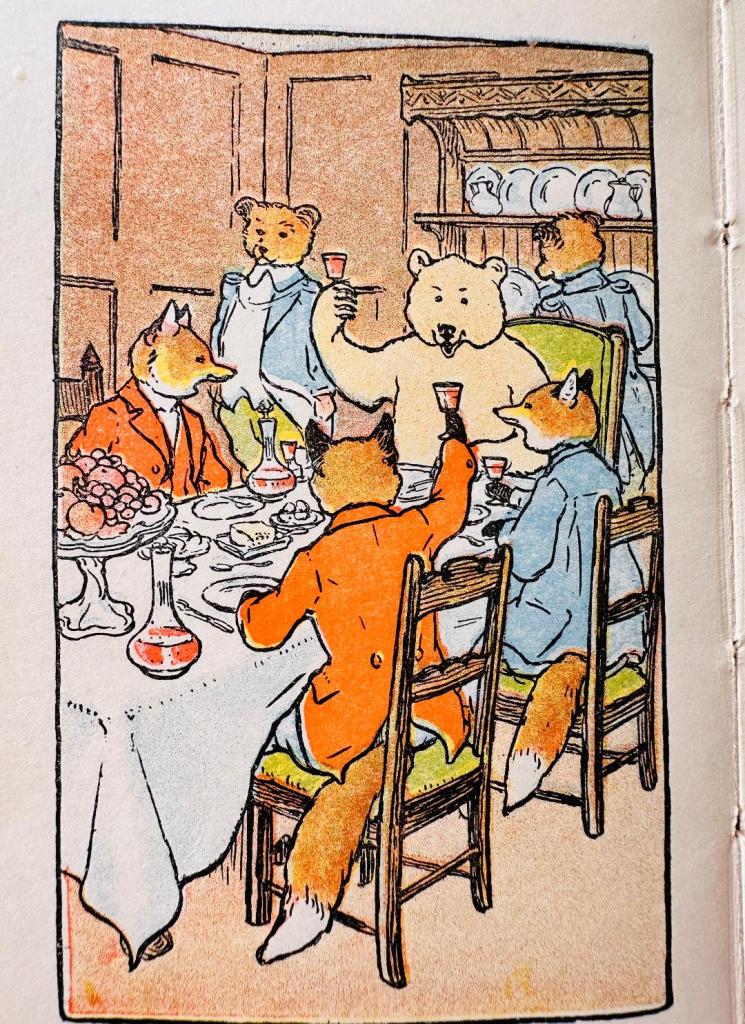
“The Three Little Foxes” tells the story of three brothers who decide to leave their cozy home and seek adventure in the world. In fact, it is the two oldest brothers, Ringo and Bingo, who are bored and need a change of scenery. Meanwhile Lubilee, the youngest brother, is quite content at home and doesn’t really have time for boredom. He is busy in the kitchen cooking and taking care of his brothers.  But when the older brothers decide to leave their home, he must follow them, albeit unwillingly. 

The three brothers meet a frog who tells them that if they are in search of adventure, maybe they could rescue the Fox Princess, who is kept hostage by the Old Bear Ogre. The three little foxes must go see the Queen of the Rabbits, who knows of a secret entrance to the grounds of the Bear Ogre’s castle. The Queen agrees to help them and orders one of her guards to lead the brothers through a secret passage leading to the garden where the Fox Princess likes to spend time.  

When the three brothers arrive at the entrance of the passage, which turns out to be a long and winding tunnel, it is only Lubilee who musters enough courage to follow the guard. Scared Ringo and Bingo remain behind.  

Lubilee succeeds in finding the garden and meets with the Fox Princess who, at that precise moment, happens to be strolling there. He tells the princess that he and his brothers have come to save her, but she warns him that the task is going to be difficult. The Ogre keeps her locked up in a lonely tower.  

It was at this point in the narrative that I failed to follow the logic of the story. It is unclear (and frankly does not make much sense) why the Princess does not run off with Lubilee towards the secret tunnel and out of the garden right there and then. Instead, she tells Lubilee where the Ogre hides the key to her tower. It is in a box he uses as a footstool while sitting on his chair.  

Lubilee goes back to his brothers, tells them all about the Princess and the key, and they come up with a plan on how to gain entrance into the Ogre Castle. They present themselves as acrobats who want to perform before the Bear Ogre.  

During their performance, which consists of the two older brothers standing on their heads while Lubilee spins plates on sticks, the Bear Ogre sits comfortably in his chair with his feet on the footstool. However, their chance comes when Bear Ogre invites them to stay over for dinner and a little dance.  

After dinner, the Bear Ogre wants to show his abilities too and he begins to dance the Keel Row. He is so taken by his dancing that he does not notice little Lubilee taking the key from the box in the footstool.  

As soon as the little foxes find themselves outside of the castle, Ringo and Bingo start quarrelling over who should marry the Princess. In the meantime, Lubilee runs towards the tower and frees the Princess. 

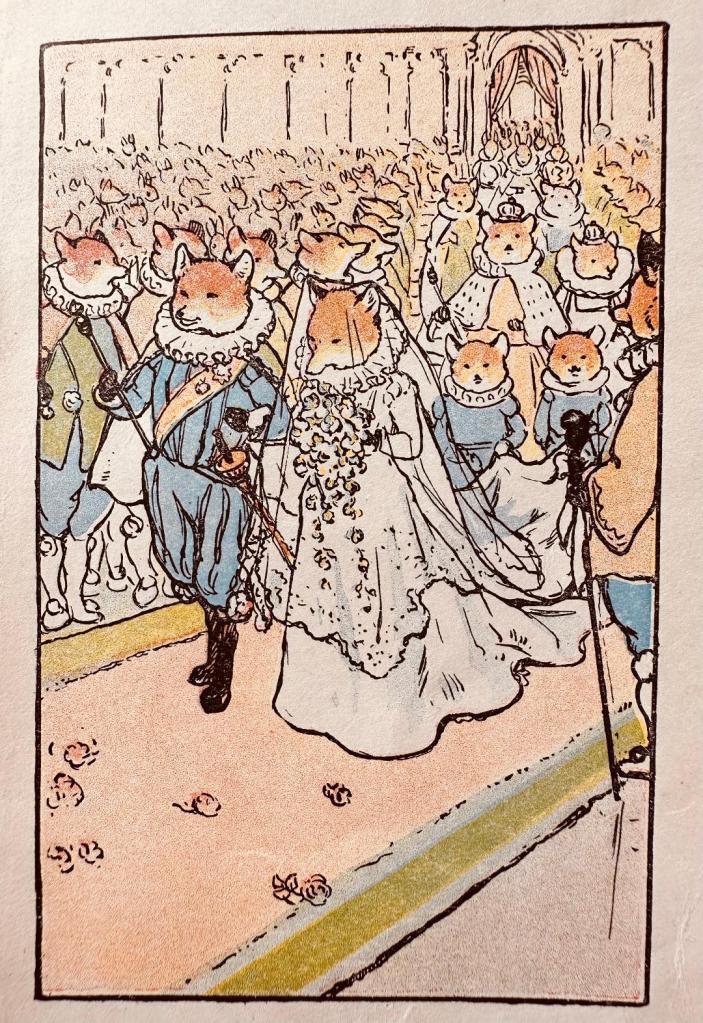
The Fox King was so glad that he called his Queen, gathered his court together and made Lubilee a Prince on the spot.  Lubilee and the Princess become husband and wife.

When Ringo and Bingo finally find their way to the Fox King’s City, they begin to tell everyone who wants to hear that they were the ones who saved the Princess, and that Prince Lubilee is an impostor. Their slander lands them in a dungeon, but then good-hearted Lubilee frees them and appoints Ringo his Prime Minister, and Bingo the Commander-in-Chief of his Army. This decision seems very unwise to me…and could potentially propel Lubilee on another hero’s journey. Maybe I will try my hand at writing a sequel…but who will illustrate it? 

P.L. Travers wrote an essay titled “The Youngest Brother”, it was first published in ‘Parabola’ on the theme of the Trickster in 1979 and then in “What the Bee Knows” in 1989. She reflects on the character of the youngest brother in fairy tales, who is often depicted as a simpleton, meaning, as she tells us, innocent and blessed. He is not yet burdened with knowledge and pride. He eagerly offers and accepts help from others, no matter how strange they may appear. 

She goes on to explain the usual sequence in these types of stories, which “The Three Little Foxes” follows closely. 

The stories always begin with a quest, something that only the three brothers can undertake. However, the usual mistake of the two older brothers is that they believe success in their quest depends solely on themselves. Consequently, they often find themselves imprisoned at the beginning of the story, unable to continue their quest.  

In these stories, P.L. Travers tells us, there is also an imprisoned princess who is the youngest brother’s complementary figure. Then, the youngest brother is wronged by the older brothers who are envious and greedy, just like Ringo and Bingo in the story, and things can become quite dangerous; all can be lost.  

In the end, the youngest brother forgives his brothers’ sins.  P.L. Travers links this pattern of forgiveness to Plato’s myth of the Cave: “... where those who have risen to the light go down again to rescue others who still live with the shadows.”  

The third and youngest brother in fairy tales is always in service of something else than himself and does not think he knows it all like his older brothers, who consider themselves to be men of the world who know their way about it.  

Knowing tells us P.L. Travers is achieved through unknowing. Learning through experience, the man becomes a child – pure at heart. 

She also links the progress of the youngest brother through his quest to Gurdjieff’s Law of Seven and the concept of repairing the past in the present. Although original and interesting, this calls for a separate blog post. 

I hope you enjoyed this post and will come back again to read some more about P.L. Travers and Mary Poppins.  

Until next time…